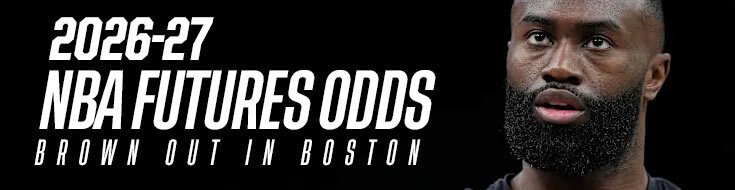
In a controversial move, the Boston Celtics traded Jaylen Brown to the division rival Philadelphia 76ers. Due to salary cap pressures under the new collective bargaining agreement. Also, there were concerns about long-term roster flexibility around Jayson Tatum. The internal belief was that the Tatum-Brown duo was no longer the optimal path to sustained championship contention. Despite the recent success, including an NBA title.
Previously, Brown was coming off a strong season, averaging career highs of around 28-29 points with All-NBA honors. Thus, he was eligible for a massive extension that would have made him one of the highest-paid players in the league. Front office leadership, led by Brad Stevens, determined that committing to two max-level contracts would severely limit the ability to build a supporting cast moving forward.
Also, analytics played a role, with the team noting strong performance in games without Brown. Additionally, there were questions about his efficiency and impact on the play, given his price tag.
2026-27 NBA Future Market Update Boston Celtics After Jaylen Brown Trade
Previously, there were online betting reports of strained relationship dynamics. Including Brown’s comments on a Twitch stream and feelings of being underappreciated. Following such petulance, the organization explored broader trade scenarios (such as packages involving Giannis Antetokounmpo).
Additionally, recent playoff disappointments, including a tough first-round exit, further solidified the view that significant change was needed. Instead of running it back, Boston reboted. In return, Boston acquired aging but still productive veteran Paul George. In addition to multiple first- and second-round draft picks. They aimed to reset the financial picture and build future assets while keeping Tatum as the clear centerpiece.
The move was widely viewed as shocking and controversial. Especially sending a fan favorite to a division rival. But it reflects Stevens’ calculated attempt to avoid future apron penalties and create a more flexible roster construction around the remaining core. Brown himself expressed disappointment with how the process was handled. But he is now moving on to a new chapter in Philadelphia.
Boston Celtics Future Prospects and Analysis
Following the trade of Jaylen Brown to the Philadelphia 76ers for Paul George and draft capital, the Boston Celtics are entering a transitional phase. Specifically, it centers firmly on Jayson Tatum as the undisputed franchise cornerstone.
The immediate outlook for 2026-27 positions them as a playoff contender. But with a narrower title window than before. Now they are relying on George’s veteran scoring and playmaking to fill the wing void while the added picks provide long-term flexibility.
Meanwhile, Tatum should thrive with fewer shared responsibilities. This potentially elevates his efficiency and leadership. But the roster depth will need time to gel around the new additions. Namely, Mitchell Robinson and Mike Conley to shore up the frontcourt and backcourt.
Short-term prospects hinge on health and integration. George brings a championship pedigree and two-way ability despite his age. But durability concerns linger, and the Celtics will miss Brown’s consistent scoring punch and athleticism. The team remains competitive in the East with a projected record that should secure a playoff spot. Although advancing deep will require strong contributions from the supporting cast and breakout performances from younger pieces.
As a result, cap relief from avoiding Brown’s massive extension gives Boston breathing room to make further moves. But the loss of Brown’s prime years creates an NBA odds risk of a slight step back in overall talent.
Long-term, the future brightens considerably if the draft picks become impact players and the organization continues to build around Tatum. Most important of all, the Celtics avoided a potentially crippling financial commitment under the new CBA rules. Hence, preserving the ability to surround their star with cost-controlled talent